Source Spherical Hard Carbon Powder for Batteries
Find 30 verified listings for spherical hard carbon powder suitable for sodium-ion and lithium-ion battery production. Buyers can compare purity levels, mesh sizes, and pricing from manufacturers in Guangdong, China offering OEM services; compare the available evidence and request quotations based on your requirements.
Key considerations
Products List


Comprehensive Sourcing Guide
Spherical Hard Carbon Powder Sourcing Guide
Spherical hard carbon powder serves as a critical anode material for next-generation sodium-ion batteries, offering a unique structure that accommodates larger sodium ions more effectively than traditional graphite. Buyers must recognize that while the material is primarily engineered for energy storage, some listings also suggest applications in air purification and water treatment, indicating a potential overlap with activated carbon markets. This dual-use nature requires careful verification of the specific grade intended for battery production versus industrial filtration to ensure performance compatibility.
Procurement strategies should focus on distinguishing between pure battery-grade powders and mixed industrial grades, as the latter may contain impurities detrimental to electrochemical performance. The observed market signals indicate a wide range of product attributes, from specific mesh sizes to varying purity levels, necessitating a rigorous definition of technical requirements before engaging with suppliers. Understanding these distinctions prevents the accidental acquisition of materials that fail to meet the stringent demands of lithium or sodium-ion battery manufacturing processes.
Product Scope and Observed Listing Signals
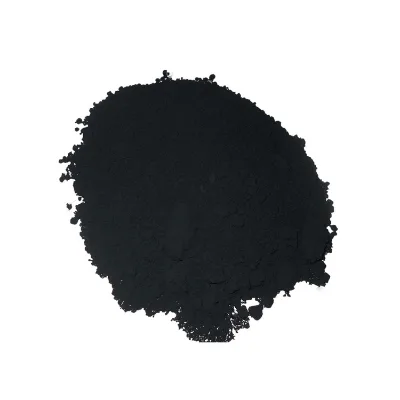
The product landscape for spherical hard carbon powder reveals a diverse array of specifications, including variations in physical state, color, and packaging formats that reflect different manufacturing capabilities. Listings frequently describe the material as a black powder with high purity, often citing specific mesh sizes like 200 or 325 mesh, while others emphasize granular appearances or custom packaging options ranging from small bags to bulk industrial containers. Buyers must navigate these varied descriptions to identify the exact physical form required for their specific electrode coating machinery and slurry preparation processes.
Market observations also highlight significant differences in the stated applications, with some suppliers explicitly targeting sodium-ion battery production while others list broader industrial uses such as petrochemical or food industry applications. This inconsistency suggests that a single supplier may offer multiple product lines, requiring buyers to scrutinize the specific model numbers and material definitions provided in the listing. Confirming that the "Spherical Hard Carbon" designation aligns with the intended electrochemical function is essential to avoid sourcing materials that are merely generic carbon powders unsuitable for high-performance battery anodes.
Technical Specifications to Verify
Buyers must prioritize the verification of reversible capacity and purity levels, as these metrics directly dictate the energy density and cycle life of the final battery cell. The available data points to a specific reversible capacity of 300 mAh/g and purity standards exceeding 99.9%, which serve as critical benchmarks for evaluating supplier claims. However, since not all listed products may meet these exact figures, it is imperative to request independent test reports that confirm the specific batch's electrochemical performance before finalizing any purchase agreement.
In addition to electrochemical metrics, the physical characteristics such as particle size distribution and morphology must be rigorously assessed to ensure compatibility with manufacturing equipment. Specifications often mention mesh sizes or custom particle distributions, but the actual spherical morphology is crucial for achieving high tap density and uniform electrode coating. Procurement teams should demand detailed particle size distribution curves and microscopy images to verify that the powder maintains the spherical shape necessary for optimal flowability and packing density in the battery production line.
Compliance and Safety Documentation
Ensuring that the supplied material meets international safety standards is a fundamental requirement for any procurement operation involving battery raw materials. While specific certification names are not universally listed in the provided data, buyers should insist on documentation proving compliance with relevant chemical safety regulations and transport classifications for carbon powders. This includes verifying that the material is free from hazardous contaminants and that the handling instructions align with the safety data sheets provided by the manufacturer.
Documentation regarding the origin and manufacturing process is equally vital, particularly given the diverse range of applications and industrial sectors associated with the product. Buyers should request certificates of analysis that detail the chemical composition and confirm the absence of heavy metals or other impurities that could compromise battery safety. Furthermore, understanding the specific standards applied during production, such as those related to mesh size consistency or purity thresholds, helps establish a baseline for quality assurance and regulatory compliance in the destination market.
Cost Drivers and Commercial Terms
The pricing structure for spherical hard carbon powder is influenced by a complex interplay of factors, including the degree of customization, purity levels, and the scale of the order. Observed listing signals indicate a broad price range, suggesting that costs can vary significantly based on whether the buyer requires standard mesh sizes or highly specialized formulations with custom packaging. Buyers must analyze the total cost of ownership, considering that lower unit prices may come with higher minimum order quantities or reduced flexibility in delivery schedules.
Commercial terms such as minimum order quantities and payment structures play a pivotal role in the overall procurement strategy, often varying from single-unit trials to bulk industrial shipments. The data indicates that selling units are typically multiples of 100, and packaging options range from small bags to large industrial containers, which directly impacts logistics costs and inventory management. Negotiating favorable terms requires a clear understanding of the supplier's production capacity and lead times, ensuring that the commercial agreement aligns with the buyer's production timeline and cash flow requirements.
Supplier Qualification and Quality Control
Evaluating supplier qualifications involves a deep dive into their manufacturing capabilities, specifically their ability to maintain consistent quality across large production batches. The presence of OEM and ODM services suggests that suppliers may offer tailored solutions, but buyers must verify the robustness of their quality control systems to ensure that every batch meets the stringent requirements of battery manufacturing. This includes assessing their track record for delivering consistent particle morphology and purity levels over time.
Quality control protocols should extend beyond the initial product delivery to include ongoing monitoring and after-sales support mechanisms. Suppliers offering one-year warranties with lifetime online support demonstrate a commitment to long-term partnership, which is essential for maintaining supply chain stability. Buyers should establish clear communication channels for reporting any deviations in product quality and ensure that the supplier has the technical expertise to troubleshoot issues related to the material's performance in the battery production process.
Long-Term Procurement Checks
Establishing a long-term procurement strategy requires regular audits of supplier performance and continuous verification of product consistency against the original specifications. Buyers should implement a schedule for periodic testing of incoming materials to ensure that the reversible capacity and purity levels remain stable over time, as even minor variations can impact the final battery performance. This proactive approach helps mitigate the risk of supply chain disruptions and ensures that the production line operates with materials that consistently meet quality standards.
Furthermore, maintaining a dynamic relationship with suppliers allows for early detection of potential issues and facilitates collaborative improvements in product quality. Buyers should engage in regular reviews of the supplier's production processes and capacity to adapt to changing market demands or technological advancements in battery technology. By fostering a partnership based on transparency and mutual growth, organizations can secure a reliable supply of spherical hard carbon powder that supports their long-term strategic goals in the energy storage sector.
FAQs
What is the purity level of spherical hard carbon powder?
The purity level is 99.9% for this spherical hard carbon powder. This high standard ensures consistent performance in battery applications. The material is available in black powder form with a granular appearance. Buyers can expect reliable quality suitable for sodium-ion battery production. Customization options are available to meet specific industrial requirements.
Can this material be used in sodium-ion batteries?
Yes, this spherical hard carbon powder is specifically designed for sodium-ion battery production. It serves as a key raw material for these advanced energy storage systems. The product features high efficiency and high purity for optimal performance. It is suitable for various industrial applications including environmental protection and chemical industries.
What packaging options are available for bulk orders?
Packaging options include 25kg bags, 500kg bags, or customized bags. The product is also available in carton cases for secure transport. These flexible packaging solutions accommodate different shipping and storage needs. Buyers can choose the most suitable option based on their logistical requirements and volume.
Is OEM and ODM service provided for this product?
Yes, OEM and ODM services are provided for this spherical hard carbon powder. This allows for customization according to specific client requirements. The direct factory offers low prices while maintaining high standards. Buyers can benefit from tailored solutions for their unique battery material needs.
What is the after-sales service support for this product?
After-sales service includes one year warranty with lifetime online support. This ensures continuous assistance for any technical questions or issues. The supplier provides reliable support to maintain customer satisfaction. Buyers can rely on this comprehensive service for long-term partnership and product stability.
Where is this spherical hard carbon powder manufactured?
This product is manufactured in Guangdong, China. The place of origin ensures access to established industrial supply chains. Buyers can expect efficient logistics and competitive pricing from this region. The location supports reliable production and timely delivery for global customers.